English
 KR
KR  IA
IA  JP
JP 
Do you find it difficult to walk short distances, going up the stairs, or simply rising from a chair due to persistent knee pain?You are not alone. Millions of individuals suffer from the same problem every year — and many achieve permanent relief with knee replacement surgery.
This article will explain to you when knee replacement is necessary, how the surgery is performed, what recovery is like, and how recent advancements in surgical methods have rendered it safer and more effective than ever before.
What Is Knee Replacement Surgery, Exactly?
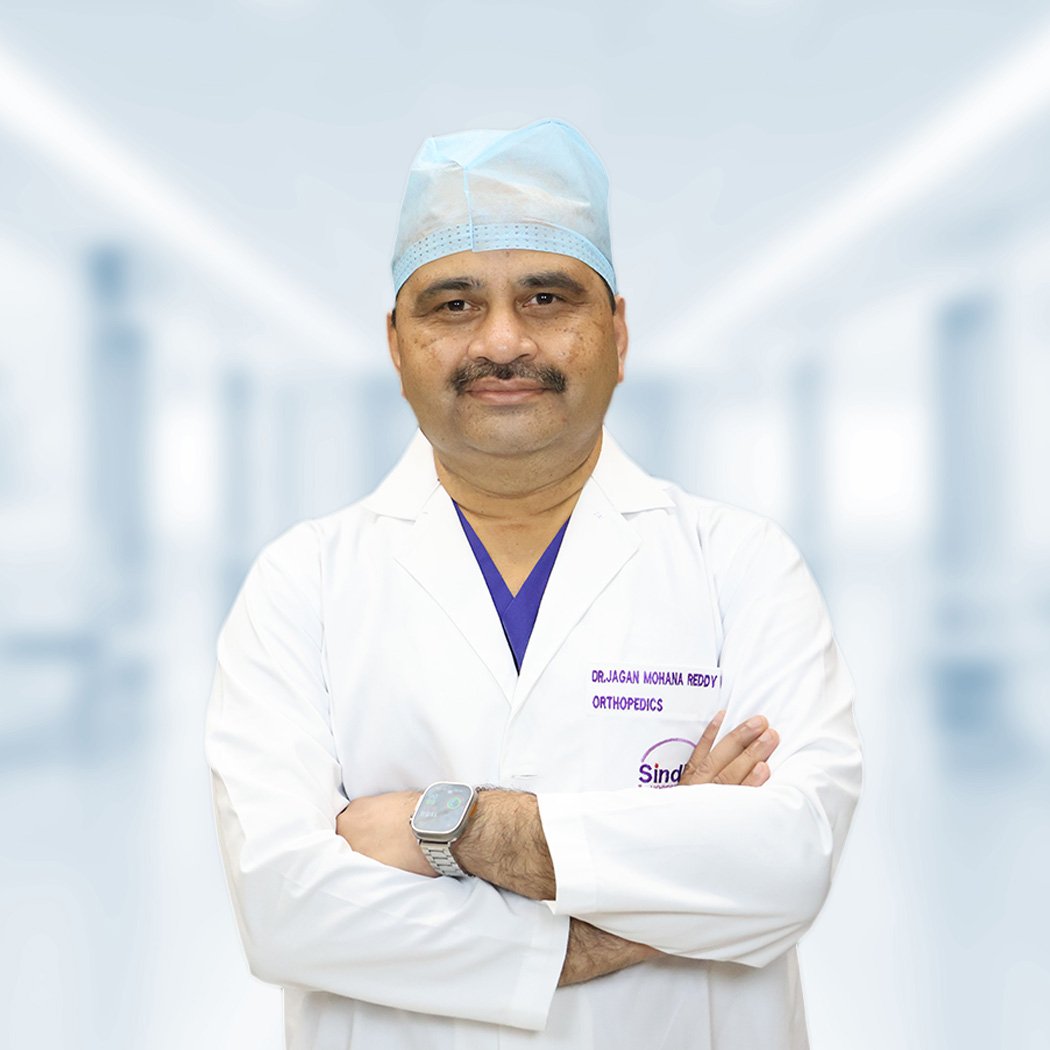
Knee replacement surgery, also called knee arthroplasty, involves replacing the diseased knee joint surfaces with artificial parts made of long-lasting, safe materials such as plastic and metal. The objective isn’t to repair a joint — it’s to enable you to walk, move, and live independently once again. Dr. Jagan Mohana Reddy practices minimally invasive, precision-based technology to provide less pain, smaller scars, and quicker recovery to patients in Hyderabad.
Who Actually Needs Knee Replacement?
It’s not all about age — it’s about how much pain controls your life.
You may be a good candidate for surgery if you have:
- Constant knee pain that isn’t relieved by rest or medication
- Stiffness that restricts your movement
- Trouble climbing stairs or walking short distances
- Pain that wakes you up during the night
If these ring a bell, your knee joints could be worn out from arthritis, injury, or wear and tear. An appointment with Dr. Jagan can assist you in getting the most suitable treatment plan — surgical or non-surgical.
There are two types of surgeries, depending on the damage:
Total Knee Replacement (TKR):
Replaces the whole joint for severe arthritis or trauma.
Partial Knee Replacement (PKR):
The only damaged part is replaced, leaving healthy bone and tissue intact.
Both involve new implants created for durability and natural feeling.
What Makes Modern Knee Replacement Safer?
Knee surgery has been revolutionized by technology. Dr. Jagan employs computer-assisted and minimally invasive
procedures that guarantee:
Accurate placement of the implant
Less blood loss
Shorter hospital stay
Quick return to normal functioning
Patients usually begin walking between 24–48 hours post-surgery under supervised guidance.
Life After Surgery — What to Expect
Thanks to customized physiotherapy and home exercises, most patients get their strength and flexibility back between 6 to 12 weeks.
You can go back to doing things you had previously avoided — walking, gentle exercise, even travel — all with an end to the nagging knee pain.
Take Home Points
Knee replacement can regain mobility and end chronic pain.
New methods reduce the risk and recovery time.
Consult early for improved outcomes.
Select a seasoned orthopedic specialist for optimal outcomes.